TraffiTech-GH Scam Alert: How to Spot Fake Traffic Fine Messages
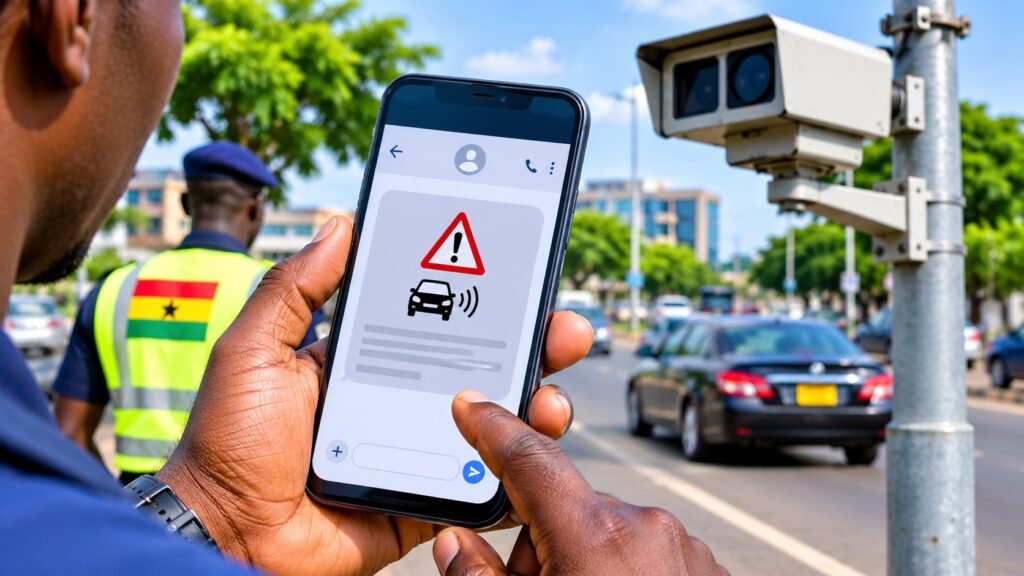
Motorists are advised to verify traffic fine notifications before making payments.
Motorists in Ghana are being urged to exercise caution when receiving text messages about traffic offences under the TraffiTech-GH automated traffic enforcement system.
The warning follows the circulation of fraudulent SMS messages and websites designed to impersonate the system and steal motorists’ financial information.
In an alert issued on November 9, 2026, the Cyber Security Authority (CSA) disclosed that scammers were sending messages falsely claiming that recipients had committed traffic offences, particularly speeding.
The messages often contained fabricated ticket and vehicle details to appear genuine, alongside links leading recipients to fraudulent payment websites.
According to the Authority, these fraudulent websites are designed to collect sensitive banking information, including debit and credit card numbers, expiry dates, and Card Verification Values (CVVs).
The warning comes shortly after TraffiTech-GH officially took effect on November 1, 2026, making it important for motorists and vehicle owners to understand how to identify genuine notices and avoid fraudulent payment requests.
How to Spot and Verify a Fake Traffic Fine Message
The Ghana Police Service has identified GPS-MTTD as the official sender ID for Electronic Notices of Violation (ENVs) issued under TraffiTech-GH.
Motorists should check the sender ID before taking action on any traffic fine notification. Messages claiming to originate from the system but sent through ordinary mobile phone numbers should be treated with caution.
A genuine Electronic Notice of Violation should contain key information about the alleged offence, including:
- A unique ticket number.
- The vehicle registration number.
- The location, date, and time of the alleged offence.
- A description of the traffic violation.
- The fine amount and payment deadline.
However, the presence of these details does not automatically make a message genuine. Scammers can use fabricated vehicle and ticket information to make fraudulent messages appear convincing.
The safest approach is to verify the notice through the official TraffiTech-GH platform rather than relying on links or payment instructions contained in an unsolicited message.
Motorists can visit the official portal at https://traffitech-ghpay.nib.com.gh/ and enter their ticket number to review the alleged offence and available photographic or video evidence.
Check that the vehicle registration number matches the vehicle concerned. Examine the recorded location, date and time, and review any available evidence before deciding whether to pay or challenge the notice.
If the information does not match your vehicle or you believe the offence was recorded incorrectly, use the official process to contest the notice. The Police indicate that motorists have 14 days from the date of issuance to initiate a challenge.
Official Payment Channels and Safety Precautions
Once motorists verify a traffic notice, they should use only the payment channels approved by the Ghana Police Service.
The approved options include:
- NIB Payment Portal: Visit https://traffitech-ghpay.nib.com.gh/, enter your ticket number, verify the displayed details, and follow the payment instructions.
- USSD: Dial *710*0# and follow the prompts using your ticket number.
The Police also advise motorists to keep their payment confirmation, receipt, or reference number for future enquiries.
Do not transfer money to personal Mobile Money numbers, private accounts, or individuals claiming to represent the traffic enforcement system. Settle genuine TraffiTech-GH fines only through the official payment channels.
Motorists should also take note of the payment deadline stated on their notices. According to the Police, motorists should pay their fines within 14 days. An additional penalty of 1% of the original fine applies for each day of default after that period.
The CSA has also warned motorists against disclosing sensitive financial information through suspicious websites or in response to unsolicited messages. Never provide your debit or credit card number, expiry date, CVV, Mobile Money PIN, bank password, or One-Time Password (OTP) on an unverified platform.
Be particularly cautious of messages that create urgency by threatening immediate penalties, demanding instant payment or directing you to unfamiliar websites. A message is not necessarily genuine simply because it contains your vehicle registration number or a convincing description of an alleged offence.
If you receive a suspicious notification, do not click its links or make payment immediately. Verify the notice independently through the official Police platform.
If you have already entered your card or banking details on a suspicious website, contact your bank or financial service provider immediately to report the incident and secure your account.
The Ghana Police Service provides the following contact channels for enquiries and reports:
- Police emergency line: 191
- Police toll-free line: 18555
- TraffiTech-GH support centre: 059 692 2402
The Cyber Security Authority also provides 24-hour reporting channels:
- Call or text: 292
- WhatsApp: 050 160 3111
- Email: report@csa.gov.gh
How TraffiTech-GH Works
TraffiTech-GH is an automated traffic enforcement system introduced by the Ghana Police Service to support the enforcement of road traffic laws and improve road safety.
The system uses cameras and sensors to capture images or videos of vehicles involved in traffic violations, including speeding and running red lights. The evidence is transmitted for review, after which an Electronic Notice of Violation may be issued to the registered vehicle owner or relevant driver.
The Police have also identified other offences covered by the system, including driving without valid insurance, using an expired driver’s licence, expired roadworthiness certificates, wrongful overtaking, and failure to wear seatbelts.
By automating parts of traffic enforcement, the initiative is intended to strengthen compliance with road regulations and help reduce road crashes, injuries, and deaths.
However, the introduction of the system also creates opportunities for fraudsters to exploit public unfamiliarity with its procedures. Motorists therefore need to understand how genuine notifications are issued and where legitimate payments should be made.
Stay Alert When Handling TraffiTech-GH Messages
As TraffiTech-GH becomes part of Ghana’s road traffic enforcement process, motorists should remain informed about how the system operates and how to respond to official notices.
The key precaution is simple: verify every traffic fine before making payment. Check the sender ID, examine the offence details and evidence, and use only the payment channels published by the Ghana Police Service.
A convincing message is not proof of a genuine traffic offence. Taking a few moments to verify a notification could protect your money and personal information from fraud.
For the latest guidance, motorists can consult the Ghana Police Service’s official TraffiTech-GH information page or visit the official payment portal at https://traffitech-ghpay.nib.com.gh/.
About The Author