Mobile Money Fraud in Ghana: How to Protect Your Account and Avoid Scams
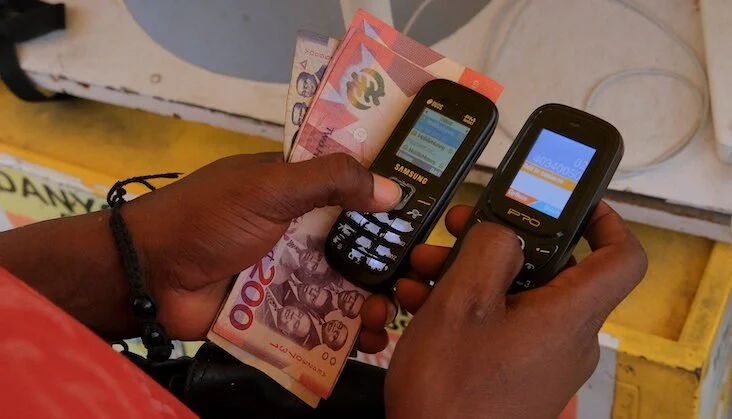
Mobile Money
In today’s digital world, security is not optional — it is essential.
Mobile money has transformed financial transactions in Ghana, making it easier for millions to send, receive, and store money. However, as usage grows, so does the risk of fraud. Mobile money scams have become increasingly sophisticated, targeting unsuspecting users through calls, messages, and digital manipulation.
Understanding how these scams work—and how to protect yourself—is essential in today’s digital economy.
Common Mobile Money Fraud Tactics
Fraudsters use various strategies to trick users into revealing sensitive information or authorizing transactions.
1. Fake Customer Care Calls
Scammers often pose as representatives from telecom companies. They may claim:
- Your account has an issue
- You have received money by mistake
- You need to “verify” your account
They then request your PIN or OTP, which should never be shared.
2. Accidental Transfer Scams
You may receive a message claiming someone mistakenly sent you money. Shortly after, a caller pressures you to send it back — even when no real transaction occurred.
3. Phishing Messages
Fraudsters send links or SMS messages asking you to:
- Click a link
- Update your details
- Claim a reward
These links often lead to fake websites designed to steal your information.
4. SIM Swap Fraud
In this method, scammers gain control of your phone number by replacing your SIM card. Once successful, they can access your mobile money account.

Why Mobile Money Fraud Is Increasing
Several factors contribute to the rise in fraud cases:
- Increased reliance on mobile money
- Limited awareness of cybersecurity practices
- Trust in phone-based communication
- Rapid digital adoption without adequate education
As more people embrace digital finance, fraudsters exploit gaps in knowledge and vigilance.
How to Protect Your Mobile Money Account
Protecting yourself requires awareness and proactive measures.
1. Never Share Your PIN or OTP
No legitimate service provider will ask for your PIN. Treat it like your bank password.
2. Verify All Calls
If you receive a suspicious call:
- Hang up immediately
- Contact your network provider directly
Do not trust unsolicited calls.
3. Avoid Suspicious Links
Never click on unknown links sent via SMS or social media. Always use official apps or websites.
4. Enable Security Features
Use:
- Strong PINs
- Biometric locks (if available)
- Phone screen security
5. Report Suspicious Activity
If you notice unusual transactions:
- Contact your mobile network provider immediately
- Report to authorities if necessary
The Role of Telecom Companies and Authorities
Telecom providers and regulatory bodies in Ghana are working to combat fraud through:
- Awareness campaigns
- Enhanced security systems
- Customer education initiatives
However, user vigilance remains the first line of defense.
Conclusion
Responsible use of mobile money is crucial for financial inclusion. By staying informed and cautious, users can protect themselves from fraud and continue to enjoy the convenience of digital transactions.
To advertise and share your articles with us, link up via Email: info@xylosexpress.com
About The Author