Shea Butter Museum Ghana: History, Culture, and Visitor Guide
Shea Butter Museum, Ghana
The Shea Butter Museum in Ghana is a one-of-a-kind cultural site that celebrates one of West Africa’s most famous natural products as well as the coastal legacy that surrounds it. The museum, which opened in Accra as part of a larger effort to conserve and explain Ghana’s traditional shea culture, provides visitors with an in-depth look at centuries-old rituals, women’s empowerment, and economic sustainability associated with shea butter manufacturing.
A Tradition-Based Cultural Landmark
For many centuries, shea butter, or nkuto as it is known in Ghana, has been an integral element of Ghanaian culture. Extracted from the nuts of the shea tree (Vitellaria paradoxa), it has spiritual, medical, and social importance in addition to being a culinary or cosmetic element. Shea butter has traditionally been produced by women using techniques passed down through the centuries, reflecting regional traditions and group activities.
The Shea Butter Museum brings this tradition to life. Unlike conventional exhibition spaces focused solely on display, the museum is an interactive cultural center. Through storytelling, live demonstrations, and immersive experiences, visitors witness the entire shea journey, that is, from the nut harvesting and traditional processing to the final buttery product that is used locally and exported globally.
The Museum’s Origin and Purpose
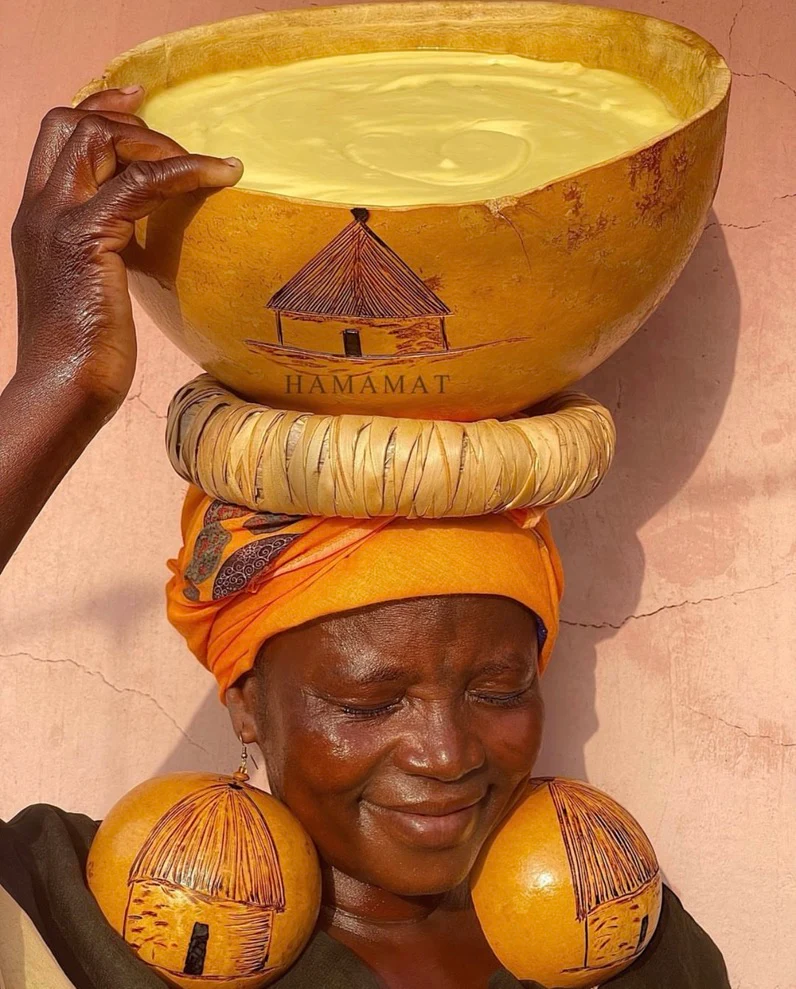
The museum was created to fill a need in cultural narrative about shea butter, a product that has been there for generations but lacks a central platform to commemorate its history and significance. The museum was founded to preserve, educate, and empower Ghanaian women. It is also a testimony to their inventiveness and tenacity.
More than an exhibition, the Shea Butter Museum serves as a living narrative, where traditional knowledge is honored and presented with dignity. Women who have spent their lives mastering the craft lead demonstrations and engage with visitors, sharing not just techniques but the history and cultural ideals behind each step in the shea-making process.
Hamamat Montia, the visionary of the Shea Butter Museum
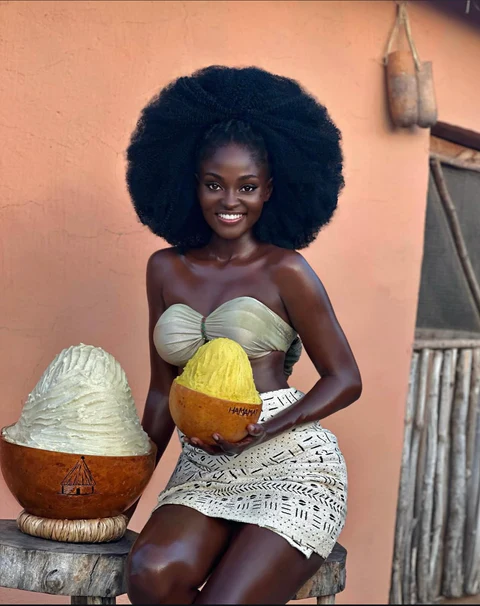
Ghanaian entrepreneur, cultural activist, and former beauty queen Hamamat Montia created and promoted Ghana’s Shea Butter Museum, which has played a significant role in changing how the world views shea butter and Ghanaian heritage.
Born in Bolgatanga and crowned Miss Malaika Ghana 2006 and later Model of Africa Universe, Hamamat leveraged her platform in fashion and culture to tell a deeper story about her roots. Instead of distancing herself from her heritage, she embraced it, transforming her family’s legacy in shea butter production into a cultural movement that celebrates tradition, community, and women’s empowerment.
As a seventh-generation steward of Ghana’s shea butter legacy, Hamamat saw that the centuries-old skill, which has long been essential to Ghanaian customs and daily life, lacked a special place to record its cultural and historical value. The outcome was the Shea Butter Museum, a place that offers guests an immersive, educational experience delving into the history, customs, and cultural significance of shea butter.
Under her leadership, the museum has become a global cultural destination, attracting tourists, diaspora visitors, and international influencers alike. Hamamat’s work positions Ghana not just as a producer of raw shea products but as a storyteller of its heritage—shifting perceptions and creating economic opportunities for rural women involved in the shea value chain.
What Visitors Can Expect
Visitors to the Shea Butter Museum can expect:
- Hands-on experiences that show the full process of traditional shea butter making.
- Cultural storytelling that connects the craft to Ghanaian heritage and local customs.
- Educational insights into Shea’s role in daily life, rituals, and global trade.
- Engagement with women leaders and artisans whose expertise sustains the tradition.
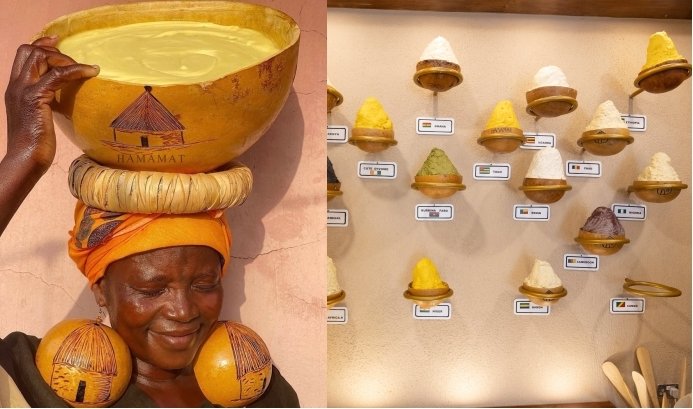
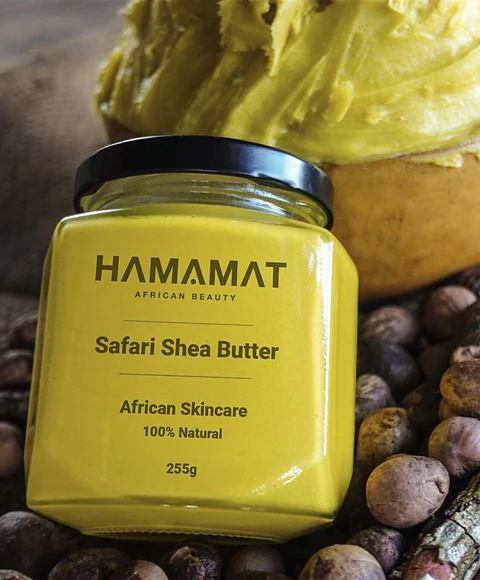
The museum also highlights the diversity of shea butter products, showcasing 21 unique types sourced from across Africa. These range from traditional uses in skincare and food to innovative applications in modern beauty and health industries
Its Empowerment and Economic Impact
The museum’s mission centers on women’s empowerment. Historically, women in northern Ghana have controlled the shea-producing value chain but have gotten little acknowledgement or financial compensation. The museum helps change this narrative by encouraging equitable remuneration, enhancing artisanal expertise, and increasing exposure for female producers.
Shea butter production is more than cultural; it is a critical economic driver. As one of Ghana’s most prominent agricultural exports, shea contributes significantly to local livelihoods and global markets. The industry supports thousands of women and connects rural communities to international commerce.
A Must-Visit Destination for Global Travelers
Today, the Shea Butter Museum has become a must-visit destination for tourists, members of the African diaspora, and cultural enthusiasts seeking authentic experiences. Through curated experiences, the museum celebrates not only Ghana’s craft but also its role in shaping global perceptions of African heritage and excellence.
Whether you’re a visitor interested in traditional crafts, an advocate for cultural preservation, or simply curious about the story behind one of Africa’s treasured natural products, the Shea Butter Museum offers a deeply enriching journey into Ghana’s heart and history.
To advertise and share your articles with us, link up via WhatsApp Or Email – info@xylosexpress.com
Sources: Hamamat Africa, Pulse Ghana
About The Author