
Do Bottled and Sachet Water Expire? The Truth Most People Don’t Know
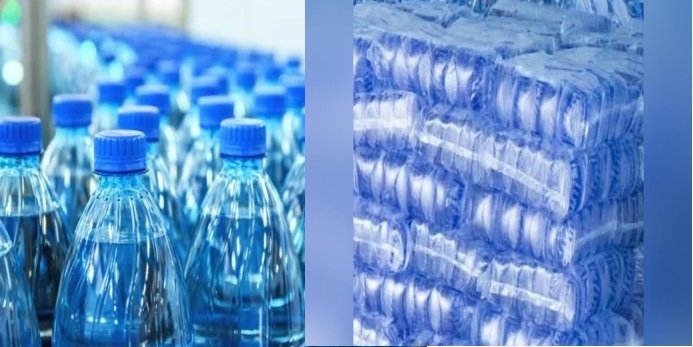
Bottled and Sachet Water
Do Bottled and Sachet Water Expire? This question has never crossed your mind, but many people are dying from contaminated water due to negligence, and this has played a major role in the high rise of typhoid and kidney issues globally.
Many people assume that water never goes bad, but if that’s true, why do bottled water brands and sachets include expiration dates?
The simple answer is water itself doesn’t expire, but the bottle and storage conditions can affect its safety and taste over time. Understanding this difference is key to knowing whether bottled and sachet water are still safe to drink.
Understanding Why Water Has an Expiration Date
Water is often described as life itself—pure, essential, and timeless. Many people grow up believing that water never goes bad, and from a scientific standpoint, that belief is not entirely wrong. Pure water, in its natural form, does not expire.
Nevertheless, when you pick up a bottle or sachet of water from a shop, you will almost always find an expiration date printed on it. This raises an important question: Does bottled and sachet water actually expire, or is there more to the story?
The answer lies not in the water itself, but in how it is packaged, stored, and handled over time.
At its core, water (H₂O) is a stable compound that does not spoil. However, the moment it is packaged, whether in a plastic bottle or a sachet, it becomes vulnerable to external influences. The expiration date has more to do with the packaging’s strength and the conditions it will be in than with the water itself.
Plastic materials, no matter how advanced, are not completely immune to environmental changes. Over time, they can degrade, especially when exposed to heat, sunlight, or pressure. This degradation may lead to subtle chemical changes that affect the taste, smell, and overall safety of the water.
In simple terms, the expiration date is a quality assurance marker, not a strict indicator that the water has suddenly become harmful overnight.
Bottled Water: Why It Lasts Longer
Bottled water is typically packaged in stronger plastic materials known as PET (polyethylene terephthalate). These bottles are designed to be durable, offering a higher level of protection against environmental factors.
Because of these properties, unopened bottled water can last anywhere between one to two years, and in some cases even longer if stored under ideal conditions. However, this does not mean it is immune to change.
High temperatures, such as leaving bottled water in a car under the sun, can accelerate the breakdown of the plastic. Over time, such exposure may cause small amounts of chemicals to leach into the water. While these amounts are usually minimal, they can affect the taste and, in extreme cases, raise health concerns.
Sunlight can also play a role by increasing internal temperatures and encouraging conditions that may affect water quality. Additionally, once a bottle is opened, its lifespan drops significantly. Exposure to air and contact with the mouth introduce bacteria, making it advisable to consume opened bottled water within a few days.
Sachet Water: A More Sensitive Alternative
Sachet water, widely consumed in many parts of Africa, offers convenience and affordability. However, it is far more sensitive to environmental conditions compared to bottled water.
Unlike the thick plastic used for bottles, sachet water is packaged in thin, flexible plastic, which provides limited protection. As a result, sachet water typically has a shorter shelf life of four to six months.
This shorter lifespan is largely due to the packaging. Thin plastic is more susceptible to wear and tear, allowing external factors to easily influence the water inside. Heat, in particular, has a stronger impact on sachet water. In hot climates, prolonged exposure to sunlight can quickly degrade the plastic, potentially altering the taste and safety of the water.
Handling also plays a major role. Sachet water often passes through multiple stages of transportation and storage, sometimes in open environments. This increases the chances of contamination, whether through physical damage like tiny punctures or exposure to bacteria and pollutants.
When Water Becomes Unsafe
Although expired water does not automatically become dangerous, there are situations where it should not be consumed. Both bottled and sachet water can show warning signs when they are no longer safe.
A change in taste or smell is often the first indicator. Water that tastes unusually “plastic-like” or has an unpleasant odour should be avoided. Cloudiness or visible particles are also clear red flags, suggesting contamination.
Physical damage such as leaks, swelling, or tiny holes in sachet water strongly indicates potential compromise. In such cases, it is best to discard it rather than take the risk.
Poorly stored or contaminated drinking water can cause stomach discomfort or, in severe cases, expose you to harmful microorganisms.
Storage: The Most Important Factor
One of the most overlooked aspects of water safety is storage. Proper storage can significantly extend the usability of both bottled and sachet water, while poor storage can shorten it dramatically.
Water should always be kept in a cool, dry place, away from direct sunlight. Heat is one of the biggest factors accelerating plastic degradation and affecting water quality. It is also important to store water away from chemicals or strong odours, as these can sometimes penetrate thin plastic packaging.
Leaving water in hot environments, such as inside vehicles, is particularly risky and should be avoided whenever possible.
Bottled vs Sachet Water: A Clear Difference
While both bottled and sachet water serve the same purpose, their differences are significant. Bottled water benefits from stronger packaging and longer shelf life, making it more resilient to environmental factors. Sachet water, on the other hand, is more vulnerable due to its thin packaging and exposure during handling.
This does not mean one is universally better than the other, but it does highlight the importance of awareness and proper handling, especially when consuming sachet water.
What You Should Always Remember
The idea that water never expires is only partially true. Although the water itself remains chemically stable, its packaging and environment can significantly impact it.
Time, heat, and handling affect both bottled and sachet water. Expiration dates are there to guide consumers toward safe and optimal use, not to suggest that the water instantly becomes harmful after a certain date.
In everyday life, the safest approach is simple: choose fresh water, store it properly, and always check for signs of damage or contamination before drinking.
By understanding these factors, you protect your health and make better choices about your water.
Stay informed with more practical health and lifestyle guides on XyloseXpress. Share this article, as many people still believe water never expires!
About The Author