
Hantavirus Outbreak 2026: Symptoms, Spread, WHO Updates and Global Health Concerns
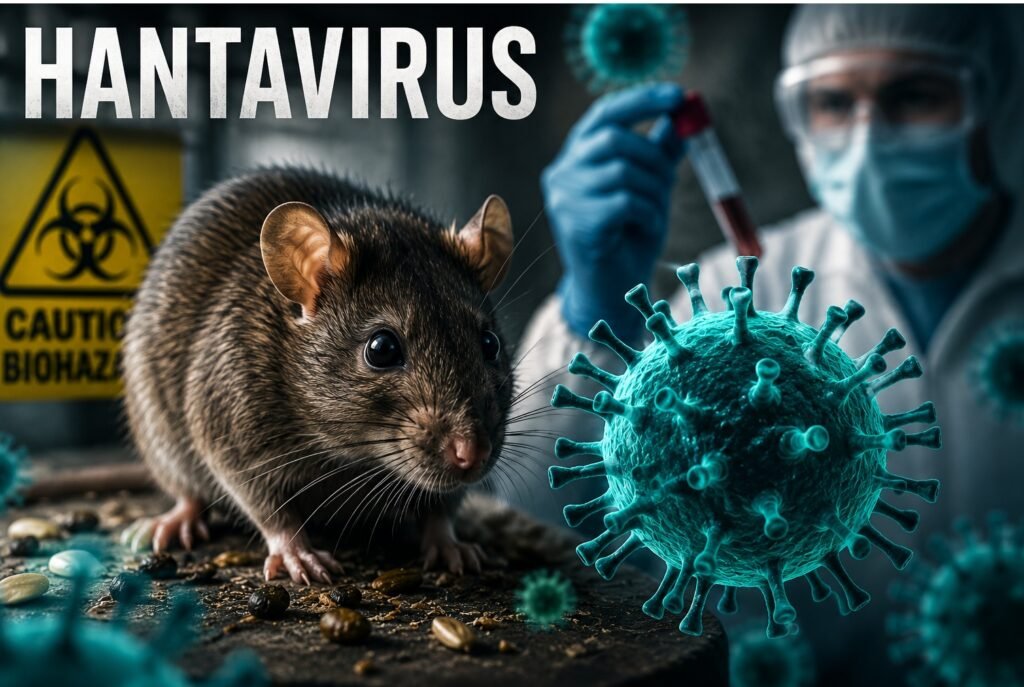
Hantavirus
Awareness is the first line of defense in every health crisis—stay informed, stay cautious, and protect your community. – XyloseXpress
A recent outbreak of hantavirus linked to an international cruise ship has sparked global attention and renewed public health discussions about the rare but potentially dangerous disease.
The outbreak, connected to the Dutch expedition cruise ship MV Hondius, has led to multiple confirmed and suspected cases across several countries, including reported deaths. Health authorities, including the World Health Organization (WHO) and the Centers for Disease Control and Prevention (CDC), are now monitoring the situation closely while emphasizing that the overall public risk remains low.
As headlines about the outbreak continue to trend globally, many people are asking: What exactly is hantavirus? How dangerous is it? And should the public be worried?”
What Is Hantavirus?
Hantavirus refers to a group of viruses primarily spread through contact with infected rodents, particularly their urine, droppings, or saliva. Humans can become infected when virus particles become airborne and are inhaled.
The disease can lead to severe illnesses such as
- Hantavirus Pulmonary Syndrome (HPS)
- Hemorrhagic Fever with Renal Syndrome (HFRS)
Symptoms often begin like the flu but can rapidly progress into serious respiratory complications. According to health experts, early signs may include the following:
- Fever
- Fatigue
- Muscle aches
- Headaches
- Dizziness
- Gastrointestinal symptoms
In severe cases, patients may develop pneumonia-like symptoms and acute respiratory distress.
Read also: Juliet Asante Mentorship Series
The 2026 Cruise Ship Outbreak Explained
The current international concern began after a cluster of severe respiratory illnesses was reported aboard the MV Hondius, a cruise ship travelling through the South Atlantic.
According to the World Health Organization, at least seven confirmed or suspected cases were initially identified, including multiple deaths. The ship carried passengers and crew from more than 20 countries.
Reports from Reuters, WHO, and international health agencies indicate that:
- The outbreak is linked to the Andes strain of hantavirus
- Several infected individuals required emergency medical care
- Health officials are conducting contact tracing across multiple countries
- Authorities are implementing quarantine and isolation measures for exposed passengers
The outbreak has drawn particular attention because the Andes strain is one of the few hantavirus variants known to allow limited human-to-human transmission under close-contact conditions.
Why Health Authorities Say This Is Not “Another COVID”
Despite growing public concern, experts stress that hantavirus is very different from COVID-19.
Unlike highly contagious respiratory viruses, hantavirus:
- Does not spread easily through casual contact
- Usually requires close exposure to infected rodents or bodily fluids
- Has limited human-to-human transmission in rare strains like the Andes virus
Public health officials from the World Health Organization (WHO) and Centers for Disease Control and Prevention (CDC) have repeatedly stated that the current public risk remains low.
Experts also note that hantavirus outbreaks are generally localized and easier to contain than airborne pandemic viruses.
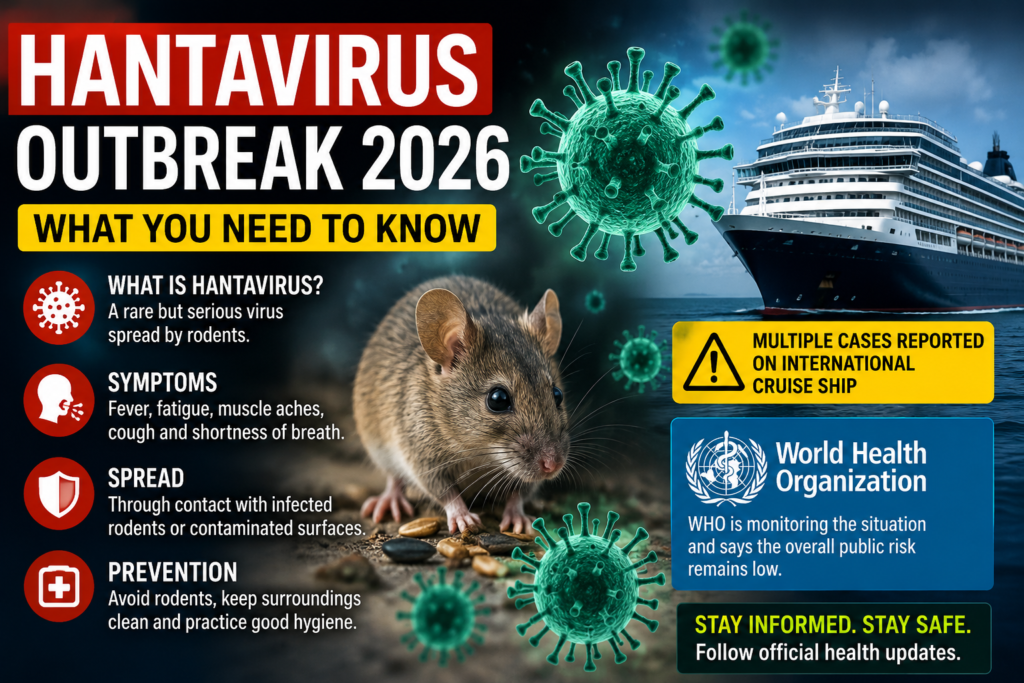
Countries Monitoring the Situation
The outbreak has triggered international monitoring efforts involving multiple countries. According to WHO and the European Centre for Disease Prevention and Control (ECDC), exposed passengers and crew are being tracked across Europe, North America, Africa, and Asia.
Health agencies in countries including:
- The United States
- Spain
- South Africa
- Switzerland
- The Netherlands
- United Kingdom
have increased surveillance and contact tracing efforts related to the outbreak.
How to Prevent Hantavirus Infection
Health experts say the best protection against hantavirus is avoiding contact with rodents and contaminated environments.
Recommended Prevention Measures:
- Avoid touching rodent droppings or urine
- Seal holes and entry points in homes
- Store food securely
- Use gloves and disinfectants when cleaning rodent-infested areas
- Avoid sweeping dry rodent waste, which can release virus particles into the air
The CDC also recommends proper ventilation and wet-cleaning methods in enclosed areas where rodents may be present.
Health security is not just the responsibility of governments—it starts with individual awareness and prevention. – XyloseXpress
Symptoms That Require Immediate Medical Attention
Medical experts warn that early diagnosis is critical because severe hantavirus infection can worsen rapidly.
People should seek urgent medical attention if they experience:
- Difficulty breathing
- Persistent chest pain
- Sudden shortness of breath
- High fever after rodent exposure
According to reports from survivors and health professionals, symptoms can escalate within days.
WHO and Global Response Efforts
The World Health Organization is currently coordinating international response measures, including:
- Risk assessment
- Passenger monitoring
- Isolation protocols
- Laboratory testing
- Public communication
WHO Director-General Tedros Adhanom Ghebreyesus has stated that while the incident is serious, the organization does not currently consider the outbreak a major global public health threat.
Should the Public Be Worried?
Health experts say awareness is important, but panic is unnecessary.
The current outbreak is being closely monitored, and international health systems are responding rapidly to contain the spread and investigate the source of infection.
Unlike fast-spreading pandemic viruses, hantavirus outbreaks are typically rare and more manageable when detected early.
Still, the 2026 outbreak serves as a reminder of the importance of:
- Disease surveillance
- Global cooperation
- Public health preparedness
- Environmental hygiene and rodent control
Conclusion
The 2026 hantavirus outbreak has become a major global health story after cases linked to a cruise ship triggered international monitoring efforts. While the disease remains rare, the incident highlights how quickly localized outbreaks can attract worldwide attention in today’s interconnected world.
For now, health authorities continue to emphasize that the overall risk to the public remains low. However, staying informed, practicing preventive hygiene, and following official health guidance remain essential.
As investigations continue, the world will be watching closely for further updates from WHO, CDC, and international health agencies.
“Diseases may spread quickly, but awareness and preparedness spread faster when people stay informed.” – XyloseXpress
About The Author