
Beyond Billions: How Elon Musk Reached the $1 Trillion Milestone
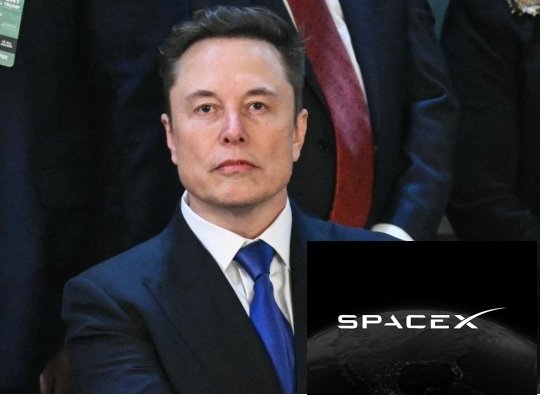
Elon Musk, founder of Tesla and SpaceX, has reportedly crossed the $1 trillion net worth milestone, becoming the first trillionaire in modern financial history.
“The future does not belong only to those who dream big—it belongs to those willing to risk everything to build what others call impossible.” — XyloseXpress
For years, the world has been fascinated by billionaires. Their companies, wealth, and influence.
But crossing into the trillion-dollar category once seemed almost impossible, a number too vast to imagine, even for the world’s richest individuals.
Now, history appears to have taken a dramatic turn.
Elon Musk has reportedly crossed the $1 trillion net worth milestone, becoming the first person in modern history to achieve what many once believed was financially unimaginable. The moment marks a historic shift not only in personal wealth but also in how technology, innovation, and ownership are reshaping global economics.
The milestone reportedly came after the historic market debut of SpaceX, Musk’s aerospace company, which saw a massive surge in valuation following its long-anticipated public offering. Combined with Musk’s holdings in Tesla, artificial intelligence ventures, satellite technology, and other investments, his net worth is said to have crossed into trillion-dollar territory.
But how does someone move beyond billions into a financial category no one has ever occupied before?
The answer lies in a combination of risk, relentless ambition, technological disruption, and a willingness to invest in industries others once considered impossible.
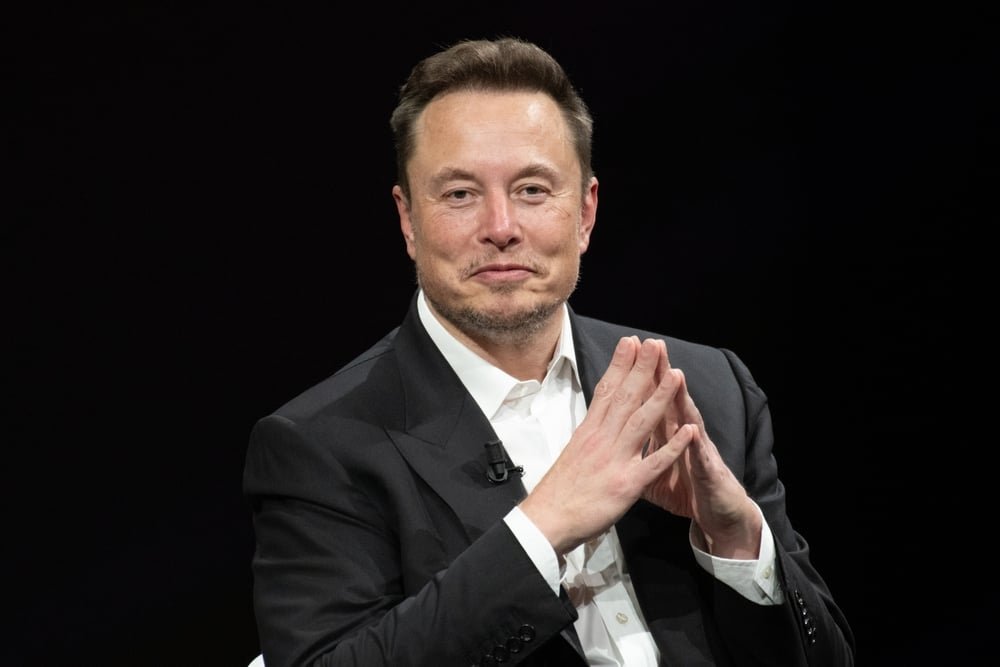
From Humble Beginnings to Silicon Valley Success
Long before electric vehicles and reusable rockets, Elon Musk was simply a young entrepreneur with an interest in technology and software.
Born in South Africa, Musk entered the tech industry through startups including Zip2 and X.com, a financial technology company that later became part of what is now known as PayPal.
When PayPal was sold, Musk earned hundreds of millions of dollars. For many, that level of success would have been enough.
For Musk, it was only the beginning. Rather than protecting his fortune, he chose to take a risk. He reinvested heavily in ventures that many experts considered unrealistic or financially dangerous.
That decision would eventually redefine industries.
Tesla: The Electric Revolution
One of Musk’s biggest breakthroughs came through Tesla.
At a time when electric cars were often dismissed as slow, expensive, and impractical, Tesla pushed aggressively into a market dominated by traditional fuel-powered vehicles.
Many doubted the company would survive.
Yet over time, Tesla transformed into one of the world’s most influential automotive brands, helping to accelerate the global shift toward electric mobility.
More importantly, Tesla turned Musk into one of the richest people in history. Its market growth significantly expanded his fortune and positioned him among the world’s financial elite.
But Tesla alone did not take him beyond billions.
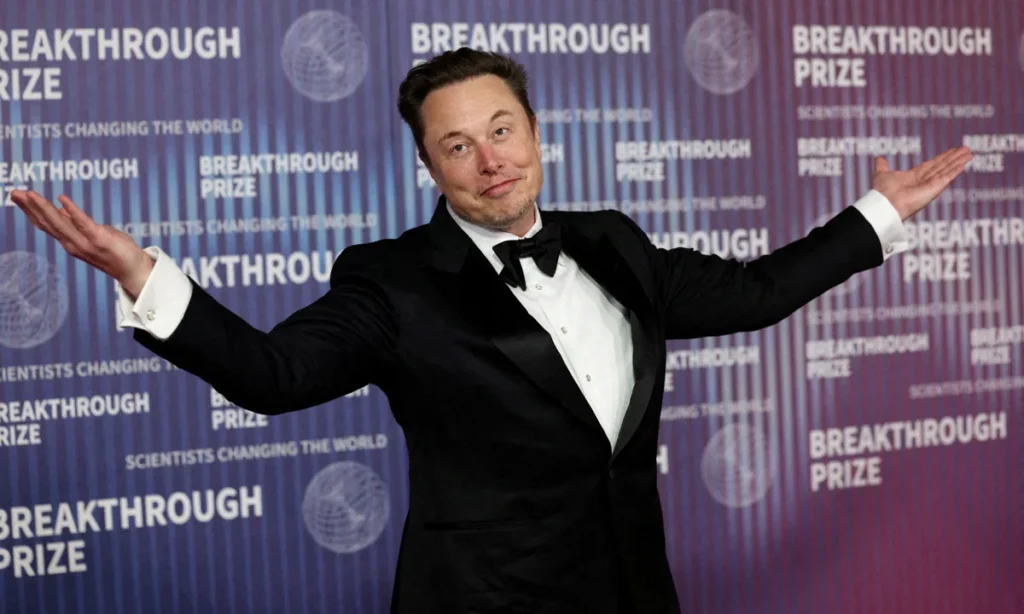
SpaceX and the Leap to $1 Trillion
If Tesla made Elon Musk a billionaire powerhouse, SpaceX may have pushed him into history.
Founded with the bold vision of making humanity multiplanetary, SpaceX initially faced skepticism, failed rocket launches, and financial pressure.
Many believed private space exploration could never compete with government-backed programs. Musk disagreed.
Today, SpaceX has evolved into one of the most valuable aerospace companies in the world.
Its innovations in reusable rockets, satellite internet systems through Starlink, and space transportation dramatically increased investor confidence.
The company’s historic public debut reportedly sent its valuation soaring, instantly adding hundreds of billions of dollars to Musk’s wealth and pushing him past the $1 trillion milestone.
For the first time in recorded financial history, the world had a trillionaire.
More Than Wealth: A Symbol of a New Era
Musk’s rise is about more than money. It reflects the extraordinary power of technology-driven businesses in the modern economy.
Unlike industrial fortunes built through oil, mining, or traditional manufacturing, Musk’s wealth has largely come from the following:
- Electric vehicles
- Space technology
- Artificial intelligence
- Satellite communications
- Robotics
- Digital infrastructure
In many ways, his financial rise mirrors the changing priorities of the global economy. Innovation is increasingly becoming one of the most valuable currencies in the world.
Yet the trillionaire milestone has also sparked intense debate. Some argue that no single individual should possess such immense wealth and influence.
Others see Musk as proof that ambitious thinking and disruptive innovation can reshape industries and fortunes on a scale previously unimaginable.
Love him or criticize him, Musk’s influence on technology, business, and global conversations remains undeniable.
What Happens After $1 Trillion?
The question many are now asking is simple: What comes next?
Will Musk continue growing his wealth through Tesla, SpaceX, and artificial intelligence?
Could new ventures in robotics, energy, or interplanetary exploration expand his empire even further? Or will market volatility reshape the numbers as quickly as they rose?
Because much of Musk’s wealth remains tied to company shares, fluctuations in stock prices could significantly affect his net worth.
Still, the symbolic significance remains. Crossing into trillionaire territory represents a moment few imagined possible. It changes the conversation around wealth and redefines economic ambition.
And perhaps most importantly, it signals that the future of global fortunes may increasingly belong to those bold enough to build technologies that shape the way humanity lives.
Elon Musk has not simply become richer. He has moved beyond billions—into a financial category of his own.
“History is often rewritten by people willing to bet on ideas the world once called impossible.” — XyloseXpress
About The Author