
Why Lionel Messi Remains Football’s Ultimate Genius
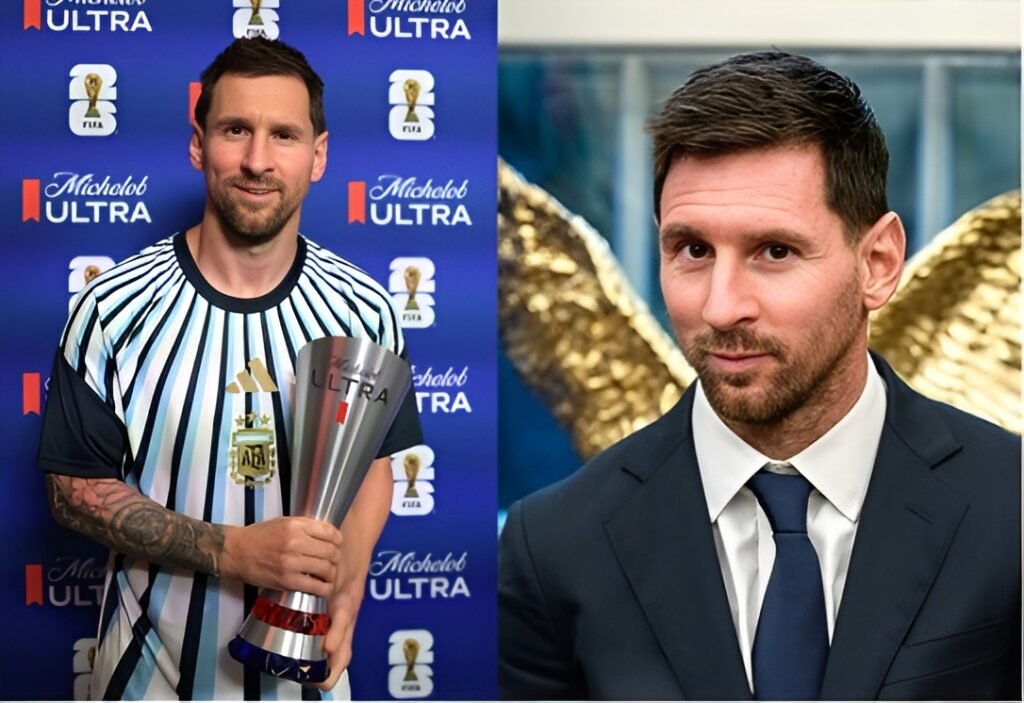
Lionel Messi
Great players win matches; legends win trophies, but geniuses like Messi change how the world understands football. Xylose Xpress
Few athletes in modern sport have inspired admiration, debate, and awe quite like Lionel Messi. In an era defined by extraordinary physicality, tactical evolution, and relentless competition, Messi has remained a phenomenon who continues to transcend ordinary football excellence.
To many, Messi is not simply one of football’s greatest players. He represents something rarer, pure football intelligence expressed through movement, vision, balance, and creativity.
While countless elite footballers have dazzled with pace, strength, or athletic dominance, Messi’s brilliance has always felt almost mathematical, as though he sees spaces and possibilities invisible to everyone else on the pitch.
That is why, even after more than two decades at the highest level, Lionel Messi remains football’s ultimate genius.
Read also Cristiano Ronaldo’s Last Dance?
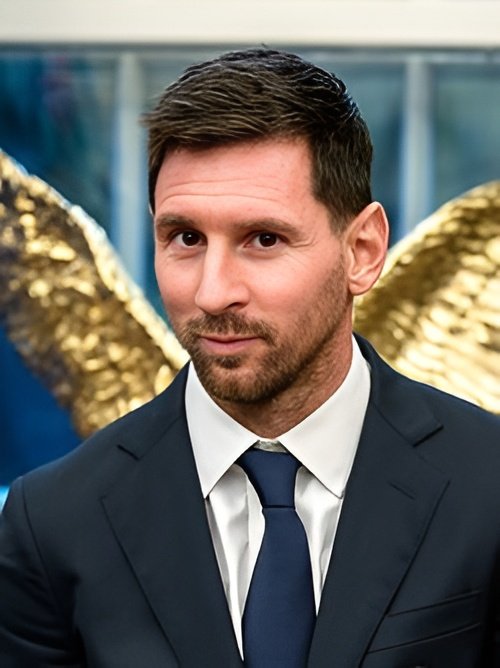
Genius Beyond Statistics
Football conversations often begin with numbers of goals scored, assists provided, trophies won, and records broken. By every measurable standard, Messi’s career belongs among the greatest in sporting history.
His trophy cabinet includes domestic league titles, continental triumphs, international glory, and football’s most prestigious individual honors. His goal-scoring record is extraordinary, but numbers alone fail to capture what makes Messi different.
Messi’s genius lies in how he controls the rhythm of a match.
He can slow a game to walking pace and then explode into decisive action within seconds. He manipulates defenders not only with dribbling but also with anticipation.
He does not merely react to football situations; he often creates them before others recognize they exist. This is what separates elite players from transcendent ones.
Messi turns complexity into simplicity. Perhaps Messi’s most underrated gift is his spatial awareness. Great midfielders read passing lanes. Great forwards exploit space behind defenders. Messi does both simultaneously.
He scans constantly, calculates movement patterns, and predicts defensive reactions with astonishing speed. This allows him to deliver passes that appear impossible until replay footage reveals the microscopic opening he identified.
When Messi dribbles, it rarely looks flashy for the sake of spectacle. His touches are economical and devastatingly efficient. Every movement has purpose.
He changes direction with such precision that defenders often commit before realizing they have been manipulated. This intelligence makes Messi uniquely dangerous.
Even when he appears quiet, he is analyzing. Even when he appears contained, he is building toward impact.
Modern football increasingly rewards physical dominance. Speed, pressing intensity, strength, and athletic endurance define many of today’s tactical systems.
Messi challenged that model. He proved that football supremacy does not always belong to the strongest or fastest player. Instead, the player with the highest football IQ can reshape matches and redefine eras.
That makes Messi culturally significant beyond football. He inspired a generation of players who understood that intelligence, technique, and creativity could rival raw physical power.
Young footballers around the world now study not just Messi’s goals but also his body positioning, scanning habits, decision-making, and movement between lines.
His influence extends into coaching philosophy and tactical analysis. That is legacy.
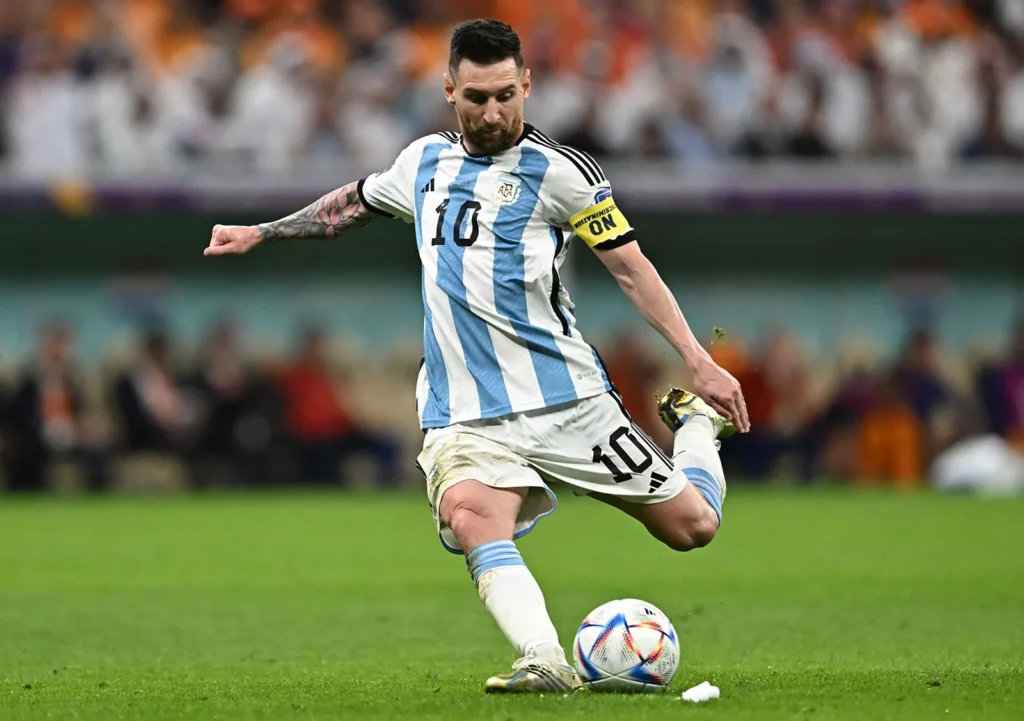
The Evolution of Messi
One of Messi’s most remarkable traits is adaptability. Early in his career, he was explosive—an unstoppable dribbler slicing through entire defenses with blistering acceleration.
As the years progressed, his game evolved, and he became deeper, more strategic, and more cerebral. Rather than relying solely on speed, he leaned increasingly into vision, passing range, game management, and chance creation.
This transformation prolonged his elite status. Many players decline when physical explosiveness fades, but Messi reinvented himself.
That reinvention reflects genius because true greatness evolves with circumstance. Messi understood how to remain dominant even as football changed around him.
The World Cup and Ultimate Validation
For years, critics argued that one missing achievement prevented Messi from reaching unquestioned greatness: international triumph with Argentina.
That narrative changed forever. Winning the FIFA World Cup with Argentina transformed public perception and completed one of football’s most iconic journeys. It did more than add another trophy; it validated decades of brilliance on the sport’s biggest stage.
His leadership during Argentina’s campaign revealed another dimension of greatness. Messi was not only technically superior; he became emotionally central to the team’s identity.
He carried expectations, pressure, and national hope while continuing to deliver. That triumph silenced many debates. For millions of fans, the GOAT conversation shifted decisively.

The Messi Effect
Messi’s impact extends far beyond stadiums. He influences global sports culture, media economics, merchandising, sponsorships, and fan engagement at an extraordinary scale.
Clubs associated with Messi experience surges in visibility, commercial value, and worldwide attention. This phenomenon, often called the “Messi Effect,” illustrates his rare ability to move not just games but industries.
His presence changes narratives, broadcasters follow him, brands pursue him, and fans travel to watch him, and that kind of influence belongs to only a handful of athletes in history.
In football, time is ruthless. Generations rise and fall quickly. Heroes fade, and new stars emerge. Yet Messi remains relevant because genius ages differently. His speed may decline, and his stamina may fade, but his intelligence remains powerful.
Messi’s continued importance reminds the football world that the sport is not merely about athletic dominance. At its highest level, football is also about imagination. And few players have embodied football imagination more completely than Lionel Messi.
Final Thoughts
Lionel Messi’s greatness cannot be fully measured through goals, trophies, or awards alone. His true legacy lies in how he transformed football into art.
He showed that brilliance can be quiet yet devastating, subtle yet revolutionary. He made millions fall in love with football, not simply because he won, but because of how he played.
In every era, sport produces stars, but only a few become timeless. Lionel Messi belongs in that rare category.
That is why, years into an already legendary career, one truth remains clear: Lionel Messi is still football’s ultimate genius.
“What makes Messi extraordinary is not only the goals he scores but also the invisible spaces he sees before anyone else.” — Xylose Xpress
About The Author





1 thought on “Why Lionel Messi Remains Football’s Ultimate Genius”