
Chris Hesse: The Man Behind the Camera of Kwame Nkrumah
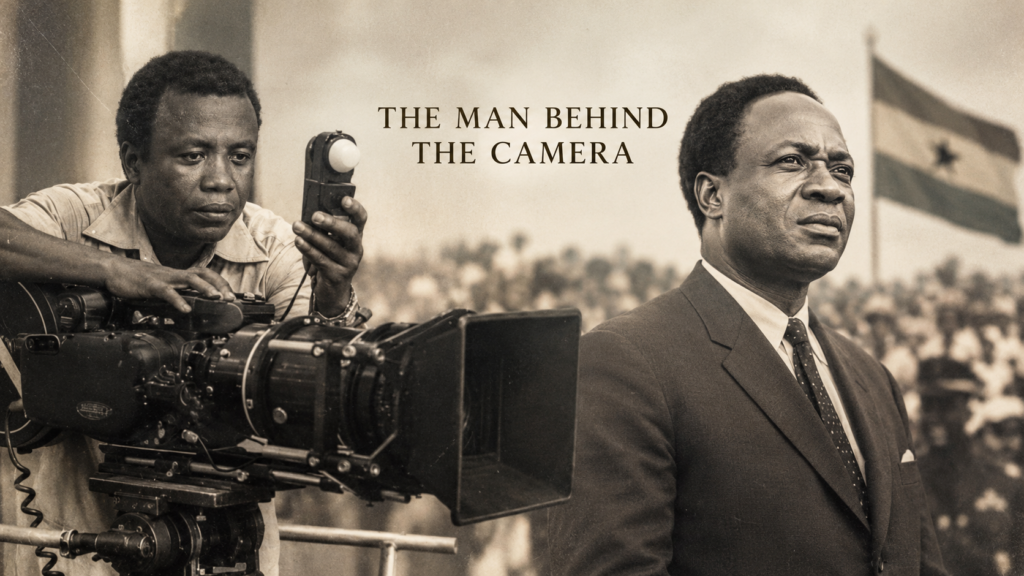
Before digital cameras and social media, one Ghanaian cameraman was documenting the events that shaped the country’s history. His name is Rev. Dr. Chris Hesse, the veteran cinematographer whose work is featured in the documentary The Eyes of Ghana.
Hesse served as the personal cameraman to Ghana’s first president, Dr. Kwame Nkrumah. He captured important moments during Ghana’s early years of independence and the wider African liberation movement.
Today, his story is drawing renewed attention. His efforts to preserve a vast collection of historical film footage have helped keep an important part of Ghana’s past alive for future generations.
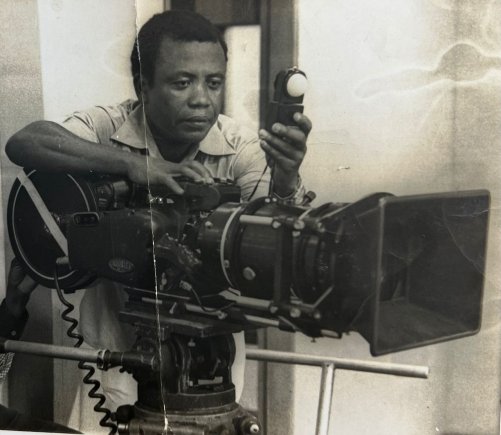
Chris Hesse and the Camera That Captured History
Born Christian Tsui Hesse on August 29, 1932, in Osu, Accra, Rev. Dr. Chris Hesse built a distinguished career in Ghanaian filmmaking and cinematography. He later became one of the key figures responsible for documenting the political history of Ghana’s early independence years.
Hesse joined the Ghana Film Industry Corporation in 1954. He later studied at the National Film School in Łódź, Poland, graduating in 1960. He also pursued postgraduate studies in film and television arts at the University of Paris.
His career brought him close to Ghana’s first president, Dr. Kwame Nkrumah, whom he served as personal cinematographer. Through his camera, Hesse documented important moments during Nkrumah’s presidency and Ghana’s emergence as an independent nation.
Chris Hesse was closely involved in documenting Ghana’s political history during Nkrumah’s presidency. His camera recorded events from a period when Ghana was establishing its place on the world stage.
As Nkrumah promoted African unity and independence, Hesse captured images that now offer a valuable record of the era. His work gives historians, filmmakers, and the public a chance to explore the past through original footage.
Hesse’s contribution went beyond recording public appearances. He helped preserve visual evidence of Ghana’s early independence years and the political changes that shaped the country.
These images are especially important today. They allow younger generations to see moments in history that they may otherwise know only through books and written accounts.
The Story Behind The Eyes of Ghana
The documentary The Eyes of Ghana, directed by two-time Academy Award-winning filmmaker Ben Proudfoot, tells the story of Hesse and his remarkable film archive.
After the February 1966 coup that overthrew Nkrumah, much of the footage documenting the president’s era was believed to have been lost or destroyed. However, Hesse had secretly preserved copies of the film negatives overseas.
Reports by Graphic Online and international film festivals describe an archive containing more than 1,000 reels of film. Some accounts put the collection at more than 1,300 reels. The footage documents Ghana’s independence era and significant moments in Africa’s wider liberation struggle.
The films remained largely unseen for decades. Their preservation created an opportunity to recover images that could deepen public understanding of Ghanaian and African history.
The documentary follows Hesse as he works to bring this material back into public view. It also highlights the role of younger Ghanaian filmmaker Anita Afonu, who works with Hesse to help preserve his legacy and share the archive with a new generation.
The project is about more than recovering old footage. It raises important questions about who preserves a country’s history, who can access it and how future generations can learn from it.
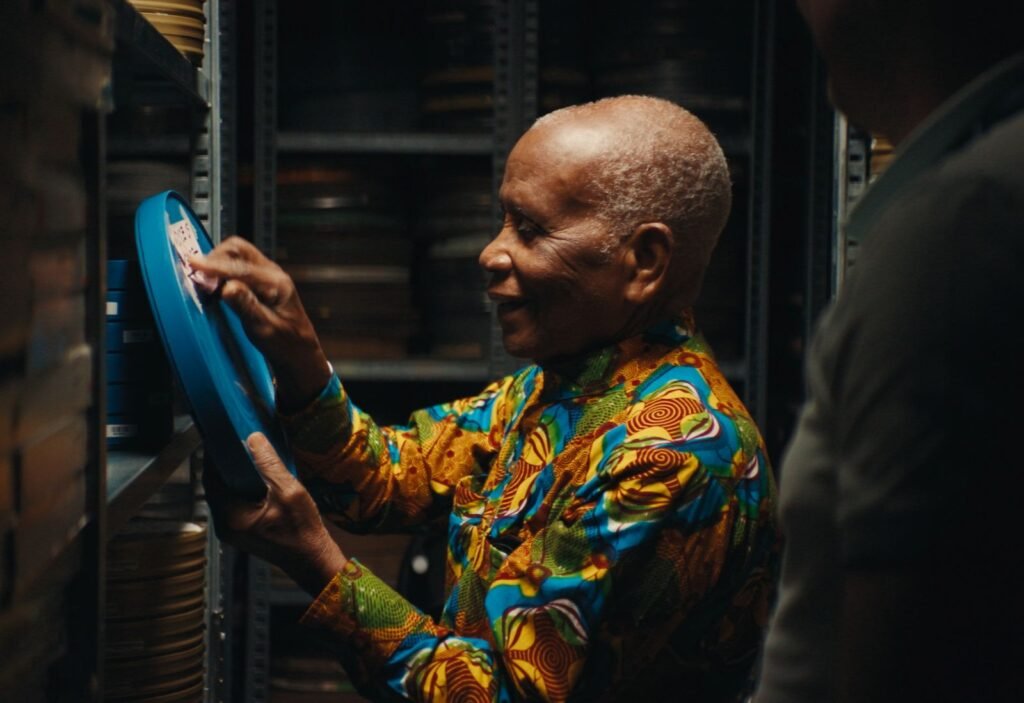
Preserving Ghana’s History for Future Generations
Hesse’s contribution to film extends beyond his work with Nkrumah. He also worked on notable Ghanaian productions, including Love Brewed in the African Pot (1980) and Heritage Africa (1989), both directed by Kwaw Ansah.
These films hold an important place in Ghanaian cinema. They explore social, cultural, and political themes through Ghanaian stories and perspectives.
Hesse’s career therefore connects two important parts of the country’s film heritage. He documented political history while also contributing to the development of Ghanaian cinema.
His archive highlights the importance of protecting historical records. Old film can deteriorate over time, so preservation requires careful storage, restoration, and digitization. These efforts also make it easier for researchers, students, filmmakers, and the public to access the material.
However, historical footage must be considered alongside other records. A camera captures what happens in front of it, but the wider context helps explain the events and their significance.
For Ghana, Hesse’s archive is more than a collection of old recordings. It offers a valuable visual record of the independence era and the people who helped shape it.
Through The Eyes of Ghana, Hesse’s work is reaching new audiences. His story also reminds us that history depends not only on those who lead events but on those who document and preserve them.
Chris Hesse worked behind the camera, but his contribution to Ghana’s historical memory deserves to remain in the public eye.
Related Reading: The Eyes of Ghana: Obama-backed film tells story of Nkrumah’s cinematographer
About The Author