
Ghana’s Fugu Day: Celebrating Culture, Heritage, and Northern Fashion

Ghana’s Fugu Day
Ghana’s rich cultural diversity is reflected not only in its languages and traditions but also in its clothing. One of the most symbolic traditional fabrics in the country is Fugu—a handwoven textile proudly associated with Northern Ghana. Fugu Day is more than a fashion moment; it is a celebration of identity, heritage, craftsmanship, and national pride.
What Is Fugu?
Fugu, also known as Batakari, is a traditional smock made from handwoven strips of cotton cloth sewn together. It originates from the northern regions of Ghana, particularly among communities such as the Dagomba, Mamprusi, and Frafra people. Historically, the Fugu was worn by royals, warriors, and community leaders as a symbol of status and dignity.
Today, Fugu has evolved beyond ceremonial use and is embraced as part of the national cultural fabric, worn during festivals, official events, and cultural celebrations.
Fugu as a Symbol of Northern Ghana
For Northern Ghana, Fugu is more than fabric—it represents history, resilience, and creativity. The weaving process itself reflects patience and artistry, making each piece unique. Fugu Day shines a spotlight on this regional heritage while integrating it into national culture.
Kwame Nkrumah and the National Recognition of Fugu
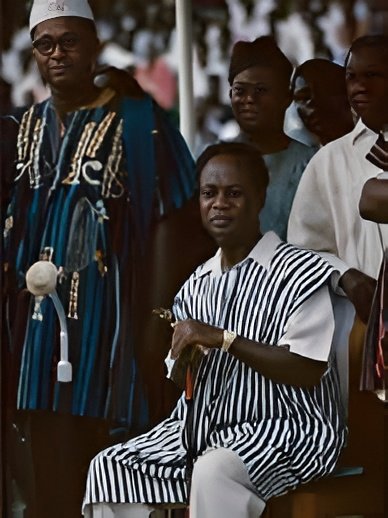
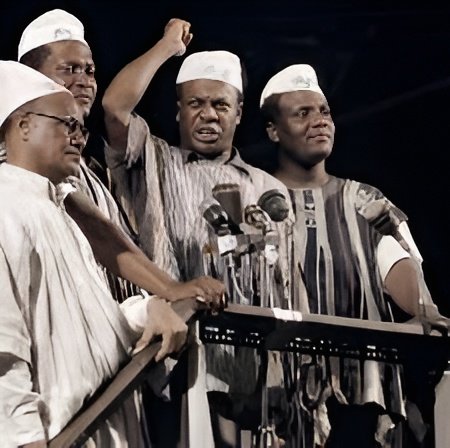
Ghana’s first President, Dr Kwame Nkrumah, played an important role in elevating traditional Ghanaian attire, including Fugu (Batakari), to national prominence. During the early years of independence, Nkrumah deliberately wore traditional clothing at public events, political gatherings, and international appearances to project African identity, pride, and cultural independence.
On several occasions, he appeared in the traditional northern smock as a symbol of unity between Northern and Southern Ghana. His choice of indigenous attire was a political and cultural statement—encouraging Ghanaians to value their heritage rather than depend on colonial fashion standards.
By wearing garments like Fugu, Nkrumah helped transform traditional dress from purely cultural wear into a national symbol of identity and dignity, paving the way for its acceptance in official and modern settings.
“Wearing Fugu is not just fashion — it is a statement of heritage, unity, and national pride.”
When Is Fugu Worn?
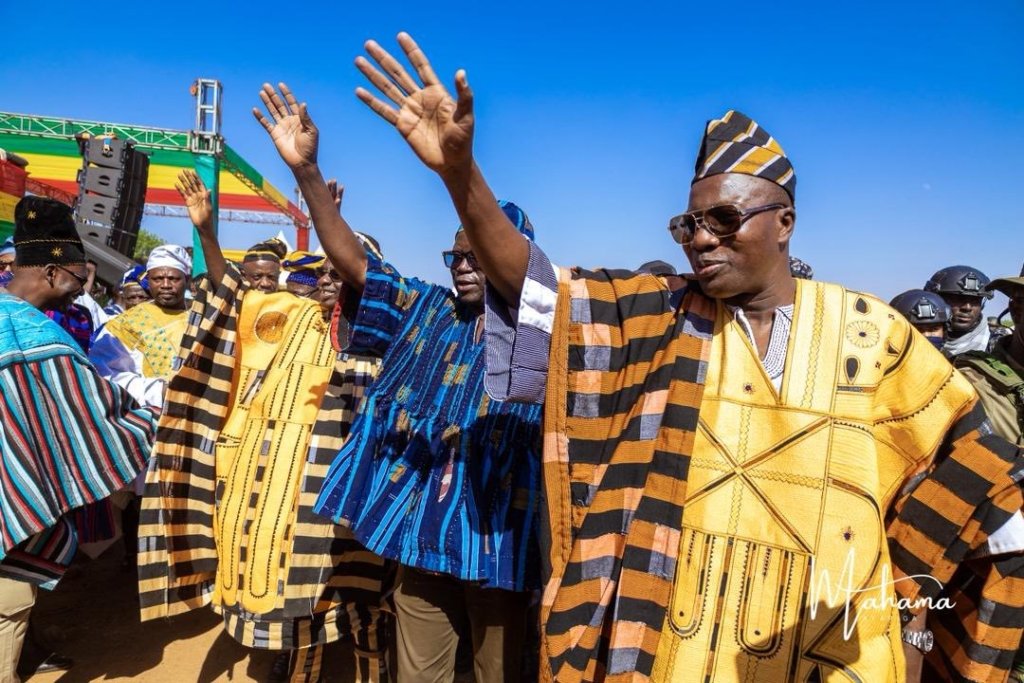
Fugu is now celebrated not only as traditional attire for cultural occasions but also through a government initiative that designates every Wednesday as Fugu Day.
The Ministry of Tourism, Culture, and Creative Arts announced that Ghanaians—both at home and abroad—are encouraged to wear Fugu every Wednesday to affirm national identity, promote Ghanaian heritage, and support local artisans.
This weekly celebration was proclaimed after increased national attention on the garment following its visibility during a state visit by President John Dramani Mahama, who wore Fugu proudly as a symbol of Ghanaian culture on international platforms.
By wearing Fugu on Wednesdays, Ghanaians help solidify the fabric’s place in everyday life and showcase the country’s rich cultural expression on both national and global stages.
Meaning and Importance of Fugu Day
Fugu Day is dedicated to promoting the wearing of Fugu and highlighting the cultural and economic value of indigenous textiles. It serves several important purposes:
1. Cultural Preservation
The day helps preserve traditional weaving techniques passed down through generations. It reminds Ghanaians of the importance of protecting their heritage in an increasingly globalized world.
2. Promoting Local Industry
Fugu Day supports local weavers, designers, and textile traders. By encouraging people to wear Fugu, the celebration boosts demand for locally made products, strengthening Ghana’s creative and fashion industries.
3. National Identity and Pride
Fugu represents unity and pride in Ghanaian identity. Wearing it publicly shows appreciation for local culture and respect for the country’s traditions.
Why Fugu Day Matters Today
In an era dominated by imported fashion, Fugu Day reminds Ghanaians of the value of local craftsmanship. It promotes:
- Sustainable fashion
- Cultural awareness
- Economic empowerment for artisans
- Appreciation for indigenous knowledge
By wearing Fugu, people help preserve Ghana’s textile heritage while supporting local livelihoods.
From Tradition to Modern Fashion
Fugu is no longer limited to traditional smocks. Modern designers have transformed it into:
- Dresses
- Suits and blazers
- Skirts and tops
- Bags and accessories
This blend of tradition and contemporary design has made Fugu popular among the youth and professionals, turning it into a symbol of modern African elegance.
Conclusion
Ghana’s Fugu Day stands as a powerful reminder that culture can thrive alongside modern trends. It celebrates tradition, supports local industries, and strengthens national identity. As more people embrace Fugu in everyday fashion, the fabric continues to tell the story of Ghana’s past while shaping its creative future.
To advertise and share your articles with us, link up via WhatsApp Or Email – info@xylosexpress.com
About The Author