Cheaper Transport Ahead: Prez. Mahama Orders Fuel Tax Cuts Amid Global Oil Crisis
Ghanaians may soon experience relief at the fuel pumps and in daily transport expenses following a decisive policy move by Prez. John Dramani Mahama.
In response to escalating global oil prices and mounting economic pressure on households, the government has announced plans to cut fuel-related taxes, an intervention aimed at cushioning citizens and stabilizing the cost of living, as global tensions in the Middle East continue to disrupt oil supplies and push up costs.
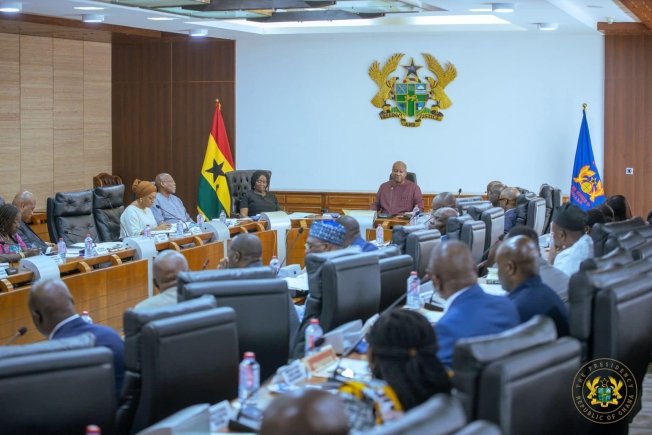
The directive was issued during a Cabinet meeting in Accra on Thursday, held shortly after the President’s return from an official visit to France. The high-level discussion focused on urgent measures to ease financial pressure on both individuals and businesses following sharp increases in petrol and diesel prices.
Sources close to the meeting indicate that the government is prioritizing immediate, practical interventions that can deliver visible relief in the short term while broader economic strategies continue to take shape.
A combination of geopolitical tensions, supply chain disruptions, and production constraints among major oil-exporting nations has fueled the ongoing global oil crisis. Countries like Ghana, heavily reliant on imported refined petroleum, directly feel the impact of rising crude oil prices on international markets.
For ordinary citizens, the impact translates into:
- Higher fuel prices at the pump
- Increased transport fares
- Rising costs of goods and services
The ripple effect across the economy has intensified financial pressure on households and businesses alike.
In a strategic move to counter these pressures, John Dramani Mahama has directed a reduction in fuel taxes. The policy aims to:
- Lower the retail price of petrol and diesel
- Reduce transport fares across the country
- Ease the cost burden on businesses
- Stabilize inflation linked to fuel price hikes
Fuel taxes typically make up a significant portion of pump prices in Ghana. By cutting these taxes, the government can create immediate price relief without waiting for global oil prices to fall.
Fuel prices closely influence transport costs in Ghana. Any increase in fuel typically leads to a corresponding hike in fares by commercial transport operators.
With the proposed tax cuts:
- Commuters may see reduced fares on trotro and taxi services
- Logistics and delivery costs could decline
- Food prices may stabilize due to lower transportation expenses
For many households, these developments could mean improved affordability and some breathing space in managing daily expenses.
Economic Implications for Ghana
While the move is widely considered pro-consumer, it also carries fiscal implications. Fuel taxes are a major source of government revenue, used to fund infrastructure, energy sector obligations, and public services.
Cutting these taxes may:
- Reduce short-term government revenue
- Increase pressure on the national budget
- Require alternative revenue strategies or spending adjustments
However, policymakers often weigh these trade-offs against the broader economic benefit of easing inflation and supporting consumer spending.
Initial reactions from the public and industry stakeholders have been largely positive. Many Ghanaians view the intervention as timely, especially given the persistent rise in living costs.
Transport unions and business operators are likely to respond cautiously, as fare reductions typically rely on sustained fuel price changes rather than short-term adjustments.
Consumers, on the other hand, are hopeful that the directive will translate into tangible and immediate relief.
Will Fuel Prices Actually Drop?
The effectiveness of the tax cuts will depend on several factors:
- The scale of the tax reduction
- Stability of global crude oil prices
- Exchange rate performance of the Ghanaian cedi
- Implementation efficiency by regulatory bodies
If these factors align favorably, Ghanaians could begin to see noticeable reductions in fuel prices within weeks.
Conclusion
The decision by President John Dramani Mahama to push for fuel tax cuts reflects a proactive effort to address the economic challenges posed by the global oil crisis. As pressure mounts on households and businesses, such measures could play a crucial role in easing transport expenses and stabilizing the broader economy.
For now, the nation watches closely as policy intentions move toward implementation, with the hope that tangible relief will soon follow.
Source: Graphic Online
About The Author