
Inside Ghana’s SHS Discipline Crisis: What Is Fueling Indiscipline?
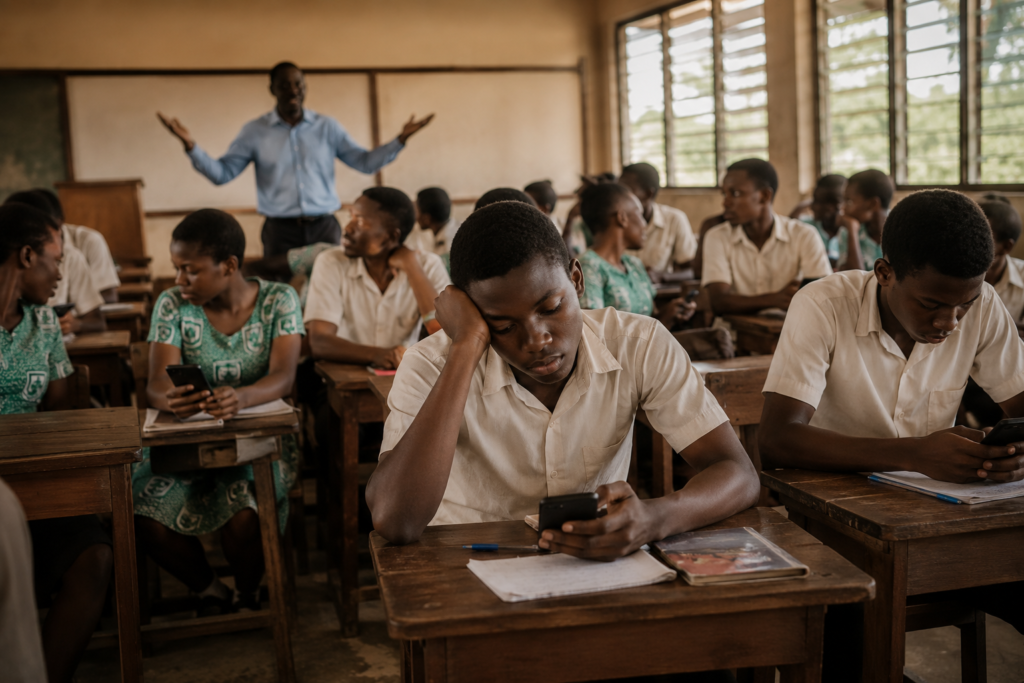
“Education is not only about producing brilliant minds; it is also about shaping responsible character.” — XyloseXpress
Growing concerns over student misconduct, violence, and declining discipline in Ghana’s senior high schools (SHSs) have triggered a major national response, with the Ministry of Education preparing to convene a conference aimed at addressing the crisis.
The conference, expected to take place before the end of July 2026, will bring together key stakeholders, including civil society organizations, parents, religious bodies, academics, and education experts, to examine the root causes of indiscipline in schools and develop practical solutions.
The announcement by the Minister of Education, Haruna Iddrisu, comes at a critical time when reports of violence, weapon possession, property destruction, and student misconduct have increasingly dominated public discourse.
But beyond the headlines lies a bigger question:
What is truly fueling indiscipline in Ghana’s senior high schools?
Read also Major BECE Timetable Shake-Up
A Growing Crisis in Ghana’s SHSs
Over the past two years, several SHSs across Ghana have recorded disturbing incidents involving violent clashes among students.
Reports of knives, machetes, and improvised weapons being found on school premises have heightened national concern. In some cases, confrontations have led to injuries, damaged property, and temporary school closures.
What was once seen as isolated misconduct is now increasingly being viewed as a systemic challenge.
This shift has raised fears among parents, teachers, and policymakers about the future of discipline within Ghana’s education system.
Schools are meant to be safe environments for learning, growth, and character formation. When violence enters these spaces, society must pay attention.
More Than Misbehavior
Many education analysts argue that indiscipline in schools cannot be reduced to mere stubbornness or rebellion.
Student misconduct often reflects deeper social issues. The challenge is not simply about punishment. It is about understanding behavior.
Behind every act of indiscipline may be multiple contributing factors. These include:
- Poor parental supervision
- Peer pressure
- Exposure to violence online
- Social media influence
- Drug abuse
- Mental health struggles
- Weak enforcement of school rules
- Erosion of societal values
When these pressures intersect, schools become a reflection of broader societal cracks. In many ways, what happens inside classrooms often mirrors what happens outside them.
The Social Media Effect
One factor increasingly shaping student behavior is social media.
Today’s teenagers live in a digital culture heavily influenced by status, visibility, trends, and public validation.
Luxury lifestyles, celebrity culture, and viral content can distort young people’s understanding of success.
Students may begin associating self-worth with material possessions, expensive gadgets, designer clothing, or social popularity.
This concern became more evident following the Ministry’s directive to suspend SHS graduation ceremonies pending a review of guidelines.
The move followed growing criticism over extravagant displays during school celebrations, including expensive gifts and displays of wealth.
According to the Education Minister, such practices risk encouraging unhealthy aspirations among young people.
His concern goes beyond ceremonies. It touches on values.
Character Versus Performance
One of the strongest messages emerging from the Ministry is that education must go beyond academic performance.
A student may excel in mathematics, science, or literature and still struggle with discipline, empathy, and responsibility.
This raises an uncomfortable but necessary question: Are schools producing graduates or citizens?
Academic excellence matters, but character matters equally.
A nation cannot build a stable future on knowledge without values, respect, integrity, self-control, and accountability.
These remain essential pillars of responsible citizenship.
The Role of Parents
Parents remain central to this conversation.
Many teachers argue that discipline challenges increasingly begin at home. Children who grow up without boundaries may struggle to respect authority in school.
Others face emotional neglect, unstable family environments, or insufficient guidance. In some homes, discipline is outsourced entirely to schools.
But schools cannot replace parenting. Character formation starts long before the classroom. Parents play a powerful role in shaping values, behavior, and emotional maturity.
Should Punishment Be the Solution?
This is where debate intensifies.
Some believe strict punishments are necessary to restore order. Others argue that punishment alone fails to solve root problems.
The national conference may help answer a critical question:
Should Ghana focus solely on discipline enforcement or also on counseling, mentorship, and emotional support?
Many education experts support a balanced approach. Rules and consequences matter, but prevention matters too.
Students often need guidance, mentorship, and psychological support before behavioral problems escalate.
Why the Conference Matters
The planned conference represents more than a policy meeting. It is an opportunity for national reflection.
It offers Ghana a chance to ask difficult but necessary questions:
- Why is student violence increasing?
- What role should parents play?
- How has technology influenced behavior?
- Are schools equipped to handle emotional and behavioral challenges?
- What reforms are urgently needed?
The answers may shape the future of Ghanaian education.
The stakes are high. Today’s students are tomorrow’s leaders, innovators, and decision-makers.
How they are shaped today will influence the nation tomorrow.
Final Thoughts
Rising indiscipline in Ghana’s senior high schools is not merely an education problem.
It is a societal issue. It reflects shifting values, growing pressures, and evolving cultural influences.
The national conference announced by the Ministry of Education is therefore timely. But meaningful change will require more than discussion.
It will require collective responsibility. Government must act, schools must adapt, parents must engage, and communities must participate.
Because education is not only about passing exams. It is about building disciplined minds, responsible citizens, and a stronger nation.
How Ghana responds to this crisis may determine the kind of future its schools and society will produce.
“A nation’s future is shaped not only by what students learn but also by the values they carry beyond the classroom.” — XyloseXpress
Source: Graphic Online and public statements from the Ministry of Education.
About The Author





1 thought on “Inside Ghana’s SHS Discipline Crisis: What Is Fueling Indiscipline?”