
SHS Double-Track Set for Exit as Cabinet Approves $331m
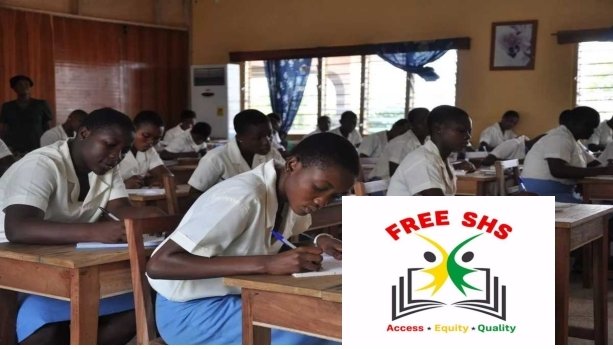
Ghana’s Senior High School (SHS) double-track system is set for a major transformation following the Cabinet’s approval of an estimated $331 million infrastructure programme aimed at expanding access and improving learning conditions across the country’s secondary schools.
The initiative, which falls under the STARR-J programme supported by the World Bank, is designed to strengthen education infrastructure and ultimately bring an end to the double-track arrangement introduced to manage rising enrollment under the Free SHS policy.
Read also: Ghana’s Tribunal Bill 2026
Announcing the development in Accra, Education Minister Haruna Iddrisu said the programme will benefit about 210 senior high, technical and vocational schools nationwide, with 150 schools, including 112 SHSs and 38 technical and vocational institutions, targeted for rehabilitation.
Under the plan, 30 Category C schools will be upgraded to Category B, while 20 Category B schools will be elevated to Category A to improve capacity, quality, and access within Ghana’s education system. The government also plans additional support through the Ghana Education Trust Fund (GETFund) for Category A schools from 2027.
Why the SHS Double-Track System Was Introduced
The SHS double-track system was introduced in 2018 as a response to increased enrollment following the implementation of the Free SHS policy.
With more students gaining access to secondary education, many schools faced pressure due to limited classrooms, dormitories, laboratories and other essential facilities.
The double-track model allowed schools to accommodate the growing number of students by dividing academic sessions into two groups, commonly referred to as the Green and Gold tracks.
While the system helped expand access to secondary education, it also attracted concerns from parents, students, and education stakeholders over issues such as shortened instructional periods, academic scheduling, and pressure on school resources.
$331m Investment to Expand SHS Infrastructure
The newly approved $331 million package is expected to focus on expanding critical infrastructure needed to support a full transition away from the double-track arrangement.
Key areas expected to benefit include:
- Construction and expansion of classrooms
- Improvement of boarding facilities
- Provision of laboratories and other learning spaces
- Upgrading school infrastructure to meet growing demand
The investment is aimed at ensuring that schools have enough capacity to accommodate all students under a regular academic calendar.
What the End of Double-Track Could Mean for Students
If successfully implemented, the transition could bring significant changes to the SHS experience.
Students may benefit from longer and more consistent instructional periods, while teachers could have improved schedules for teaching and academic planning.
Parents and education advocates have also welcomed efforts to address challenges associated with the double-track system, particularly concerns about learning time and school management.
Cabinet’s Decision Marks New Phase for Ghana’s Education Sector
The approval of the $331 million funding represents a major step in Ghana’s education reform agenda.
As the government works towards ending the SHS double- track system, attention will now focus on the timely execution of infrastructure projects and ensuring that schools are adequately prepared for the transition.
The success of the program will depend on effective implementation, transparency in resource allocation, and continued investment in Ghana’s education system.
XyloseXpress Editorial Note:
The planned removal of the SHS double-track system could mark one of the most significant changes in Ghana’s secondary education landscape since the introduction of Free SHS.
Beyond ending the double-track arrangement, the success of the programme will depend on whether infrastructure expansion translates into improved teaching conditions, better learning outcomes, and sustainable access for future generations.
Source: Graphic Online
About The Author